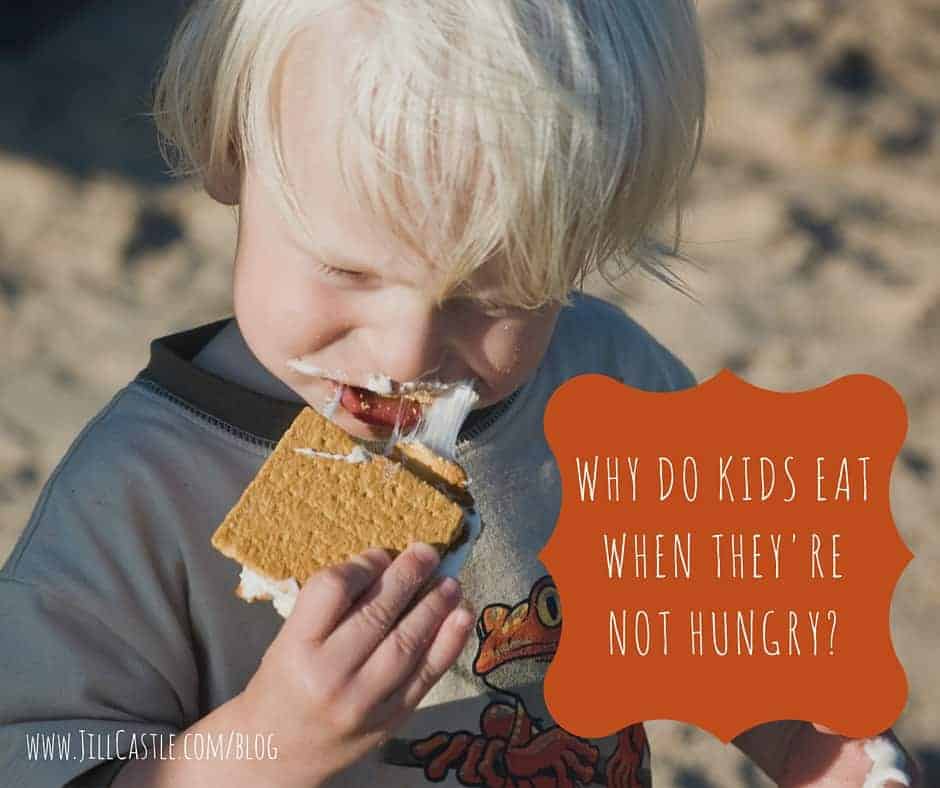
Why Do Kids Eat When They’re Not Hungry?
March 8, 2016
Is your child eating but not hungry? Learn why your child eats when they’re not hungry and how you can help.
If your child lives in a larger body, concerns about hunger, snacking, or overeating can feel overwhelming. Before focusing on food rules or restriction, it helps to zoom out and look at the bigger picture.
I take a non-diet, whole-child approach to weight and wellness. You can see that full framework here: How to Help an Overweight Child (Without Dieting).
Eating in the absence of hunger is learned in childhood and something that can be prevented (and even turned around).
In this article, I’ll uncover the main reasons kids eat when they’re not hungry and give you some tips to handle this challenging and confusing situation.
[bctt tweet=”Children eat for many different reasons, including physical hunger and “head” hunger.”]
What is Eating in the Absence of Hunger?
Eating is complex, and as your child gets older he may eat for many different reasons. Physical hunger and what I call “head” hunger, or eating because he thinks he’s hungry, are two main reasons.
Eating in the Absence of Hunger, (EAH) is a term researchers use to describe eating highly palatable foods when not hungry. This has been associated with extra weight gain in boys and girls under the age of twelve.
The tendency tends to develop between the ages of five and nine, but the latest research suggests very young children will overeat if an abundance of food is available to them.
Awareness of food and environmental triggers such as timing, party foods and social eating becomes more prominent in your child’s life.
It‘s important for you to understand EAH because it can be the basis for your child’s excess eating.
Reasons for Eating When Not Hungry
There are many reasons for EAH in children including:
- A poor sense of hunger and fullness cues (your child is out of touch with body signals related to eating)
- Heightened response to food (your child eats food because it looks good, was previously enjoyed or liked, others are eating it, or is a scarce or tightly regulated food, for example)
- Low inhibitory control (your child is impulsive around food)
- Emotional eating (your child is eating to calm or comfort feelings)
- Boredom and “head hunger” (your child is eating because there is the perception that there is nothing else to do)
- Has experienced restrictive feeding practices (your child eats because a food that was tightly controlled or off limits is now available)
Teach Your Child about Their Appetite
Helping your child tune in to their appetite and eat (mostly) for hunger is the goal. There will always be times when there are other reasons for eating, but these shouldn’t be the primary reasons.
Teaching your child about physical hunger is an important step toward helping him develop an internal sense of appetite. Or, when to eat and when to stop eating.
This is something that can start in the early years, but is an ongoing endeavor.
- Early on, use terms like hungry belly and happy belly to help your toddler associate hunger and fullness cues.
- Encourage your child to associate eating with his sense of appetite cues: What is your body telling you?
- Identify emotional triggers for eating is another way to help your child regulate his eating. When your child is sad, disappointed, lonely, or stressed, encourage her to talk to someone about those feelings.
- Communicate emotions in a healthy way instead of turning to food to numb strong, negative emotions (also known as emotional eating).
How to Help Kids Who are Overeating and Not Hungry
If your child is always hungry and overweight, or just seems more focused on food than other children, I’ve got some tips from helping families through this challenge.
1. Optimize Food Balance
If your child seems to respond to highly palatable foods such as desserts, teach him the 90:10 Rule. It will help minimize (but not eliminate) sweets and treats in the diet.
Don’t panic or get too worked up about the fact that your child likes sweets. Many kids are responsive to treats and even impulsive around them!
2. Use Food Boundaries
Try to set boundaries and use a structure with meals and snacks, which will help moderate your child’s exposure to them.
The antidote to boredom is keeping your child occupied with activities that don’t involve food.
One easy way to downplay extra food and eating is to close the kitchen between meals and snacks. Closing the kitchen directs your child away from food and toward other activities.
3. Watch Out for Mindless Eating
Avoid eating when riding in the car or watching TV will also help discourage mindless eating. Mindless eating is eating without paying attention to satisfaction and fullness, or the quantities of food consumed.
Rather, promote mindful eating. You want your child to pay attention to food when he is eating, so that he can fully enjoy it and be aware of his body responses to it.
4. Are You Too Restrictive with Food?
Your child may be triggered to eat when not hungry if you have been overly controlling or restrictive about palatable foods such as sweets.
Restrictive feeding may drive a desire for the food that is being tightly controlled.
For instance, when you avoid sugar in your home, your child may demonstrate a strong desire for it and may overeat sugary foods when they’re available.
The Goal is a Healthy Relationship with Food
Helping your child develop a healthy relationship with food isn’t merely about making sure he or she selects healthy food to eat.
You are helping them regulate food choices and consumption, based on staying in touch with their internal appetite.
Does your child eat when not hungry? What have you done to help?
More Help for Feeding Your Child
When a child eats past fullness or seems hungry all the time, it’s rarely about willpower. It’s usually a signal — of growth, unmet needs, or a missing piece of structure.
For a complete, non-diet roadmap that supports both physical and emotional wellbeing, see How to Help an Overweight Child (Without Dieting).
- My book, Kids Thrive at Every Size
- The Nourished Child Blueprint (my online course for parents)
- Private consultation
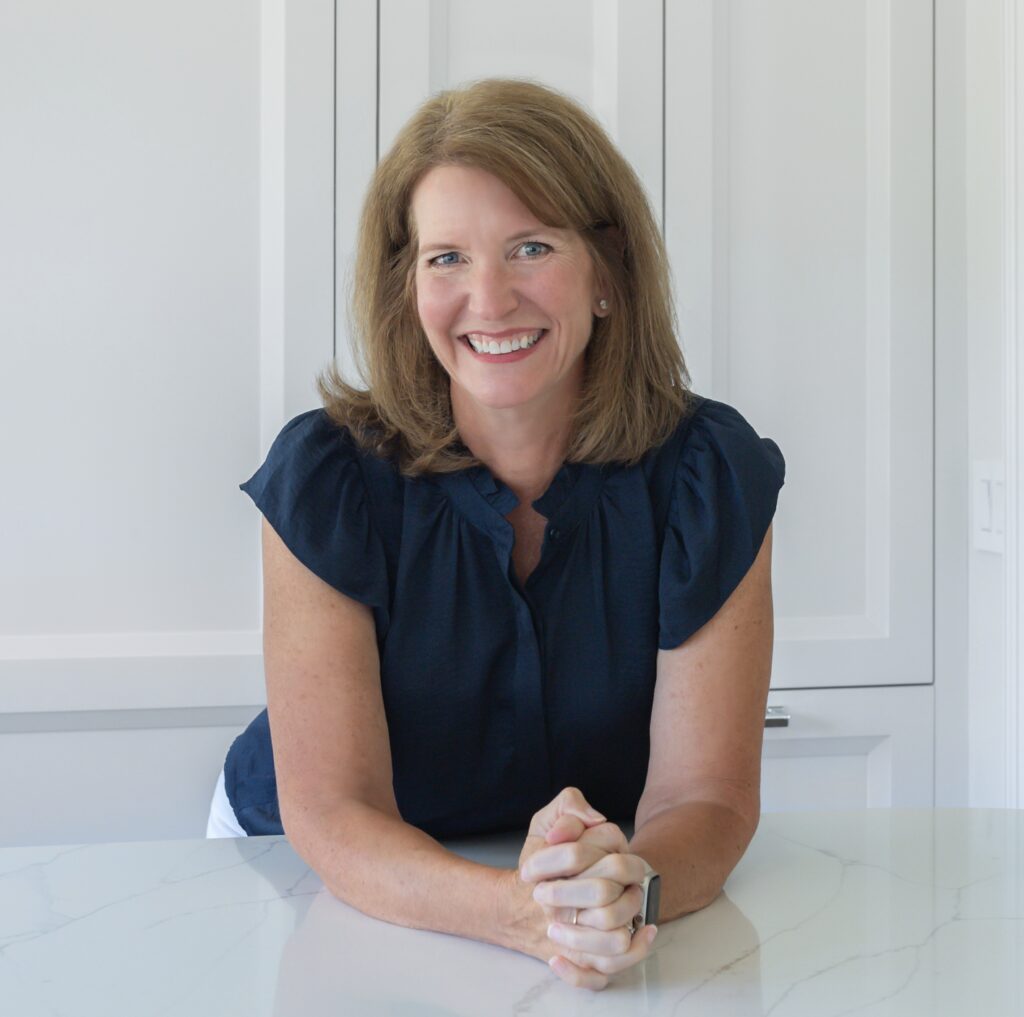
Jill Castle, MS, RD
I like empowering parents to help their children and teens thrive at every size with realistic advice centered on healthful habits around food, feeding, nutrition and health behaviors. As a pediatric dietitian and author, my goal is to share strategies and realistic advice to help you raise a healthy and happy child through my articles and podcast.