
Creating Safety at the Table: Why It Matters More Than Getting Kids to Eat “Well”
April 20, 2026
You can serve the “right” foods, follow all the advice, and still feel like mealtimes are a struggle.
Because eating isn’t just about food.
For many kids, it starts with something much deeper:
Do I feel safe here?
What Does Creating Safety at the Table Mean?
Creating safety at the table isn’t about the food itself.
It’s about what your child feels in their body when they sit down to eat.
Safety looks like:
- being able to relax
- feeling respected
- having space to listen to their body
When that safety is there, eating becomes possible.
When it’s not, the body shifts into protection mode — fight, flight, or freeze — and eating can shut down.
Why this Matters More than “Eating Well”
A child has to feel safe before they can eat.
That’s why focusing only on:
- getting them to try foods
- improving nutrition
- controlling what or how much they eat
often doesn’t work.
Because eating is the outcome — not the starting point.
What Safety Can Look Like
When a child feels safe at the table, you might notice:
- they come to the table without resistance
- their body looks more relaxed
- they engage — talking, playing, being silly
- they show curiosity around food
But safety doesn’t look the same for every child.
For some, it might look like movement, standing, or needing sensory input.
The goal isn’t perfect behavior.
It’s a regulated, supported child.
What Gets Mistaken for “Picky Eating”
When safety is missing, it can show up as:
- refusing to eat
- strong reactions to food
- rigidity around certain foods
- power struggles at meals
And it’s easy to label this as picky eating.
But often, it’s not about the food.
It’s communication.
What’s Actually Going on Underneath
Kids don’t always have the words to say:
- “I feel overwhelmed”
- “Something doesn’t feel right”
- “I need more connection”
So it comes out as:
- “I don’t like this”
- “I’m not eating”
- or complete shutdown
When you start seeing these moments as communication instead of defiance, everything shifts.
Why Pressure Makes it Harder
Most pressure at the table comes from a good place.
You want your child to be healthy.
But pressure can feel like:
- loss of control
- being pushed
- not being trusted
And when a child feels that?
Their body becomes less safe — not more.
The Role of You at the Table
This is the hard part.
Because safety doesn’t just come from structure or food.
It comes from the emotional environment.
If the table feels tense, rushed, or reactive…
your child feels that.
This is where co-regulation comes in.
Your ability to stay calm and steady helps your child feel safe enough to eat.
Even small shifts matter.
Structure Helps Create Safety
Structure is important.
But it’s not the same as control.
Helpful structure looks like:
- consistent meal and snack times
- predictable routines
- clear boundaries
Within that, kids need room to:
- make choices
- listen to their body
- have some autonomy
That balance is what supports safety.
If you want to go deeper, listen to the full episode here:
Or watch the video on Youtube:
In This Episode, We Cover:
- What creating safety at the table really means
- Why kids need to feel safe before they can eat
- How safety (or lack of it) shows up at mealtimes
- What’s often labeled as picky eating — and what it actually is
- The role of co-regulation and the parent’s presence
- Why pressure backfires
- How structure supports safety without becoming control
Jill Castle, MS, RD
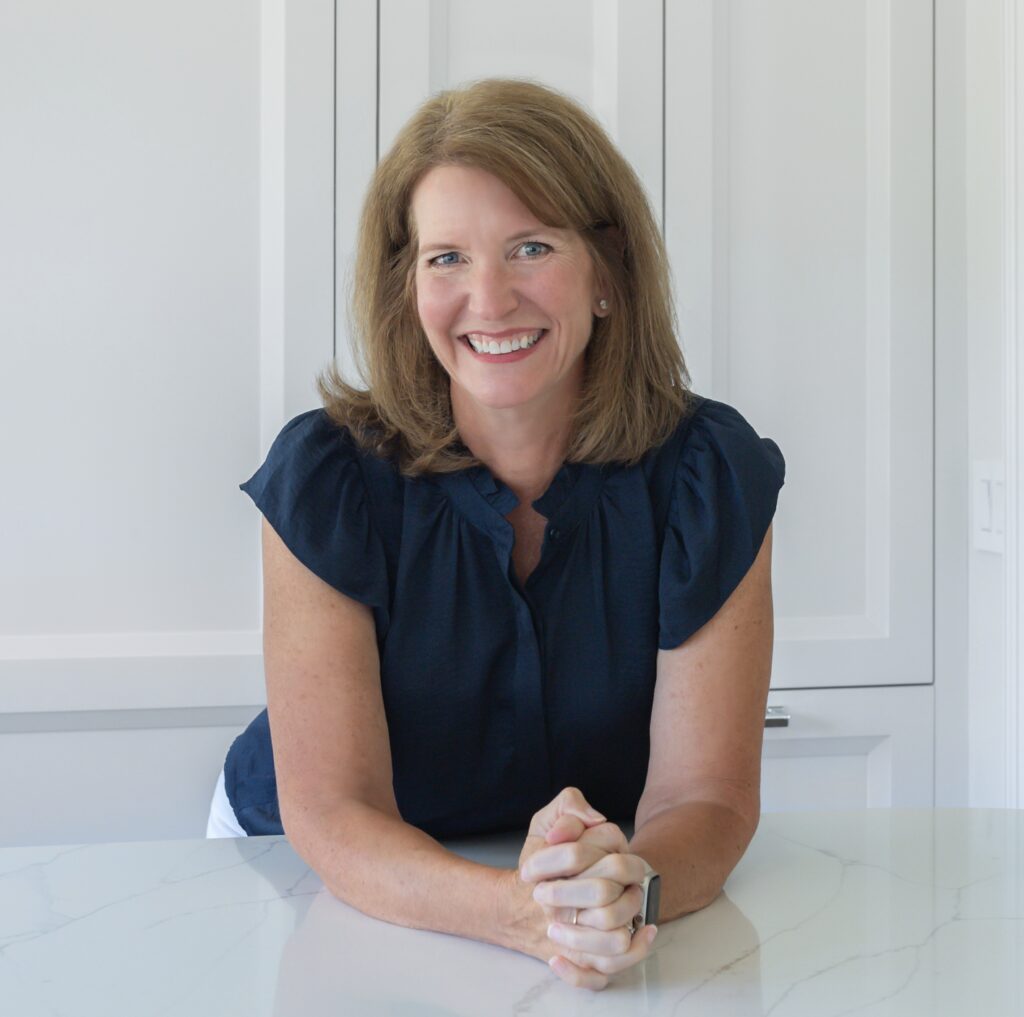
Jill Castle, MS, RDN is a pediatric dietitian with over 35 years of experience and the mother of four grown children. She helps families raise healthy eaters and healthy kids at every size, with nutrition, parenting and lifestyle behaviors.