Should Children Take Weight-Loss Drugs? New Research and the WHO’s New Guidelines
October 31, 2026
Have the headlines about kids and weight-loss drugs left you feeling hopeful, worried, or a little of both?
This fall, the news about children and weight-loss medications has come fast. More prescriptions for younger kids, new trial results, and new concerns about nutrition and misuse. If you’re trying to make sense of GLP-1 for kids, you may be wondering what all of it means for your family.
I take a whole-child approach to children’s health, built on eight pillars of wellness that matter for every child, at every size. If you want a step-by-step guide to building those habits at home, my book, Kids Thrive at Every Size, walks you through it.
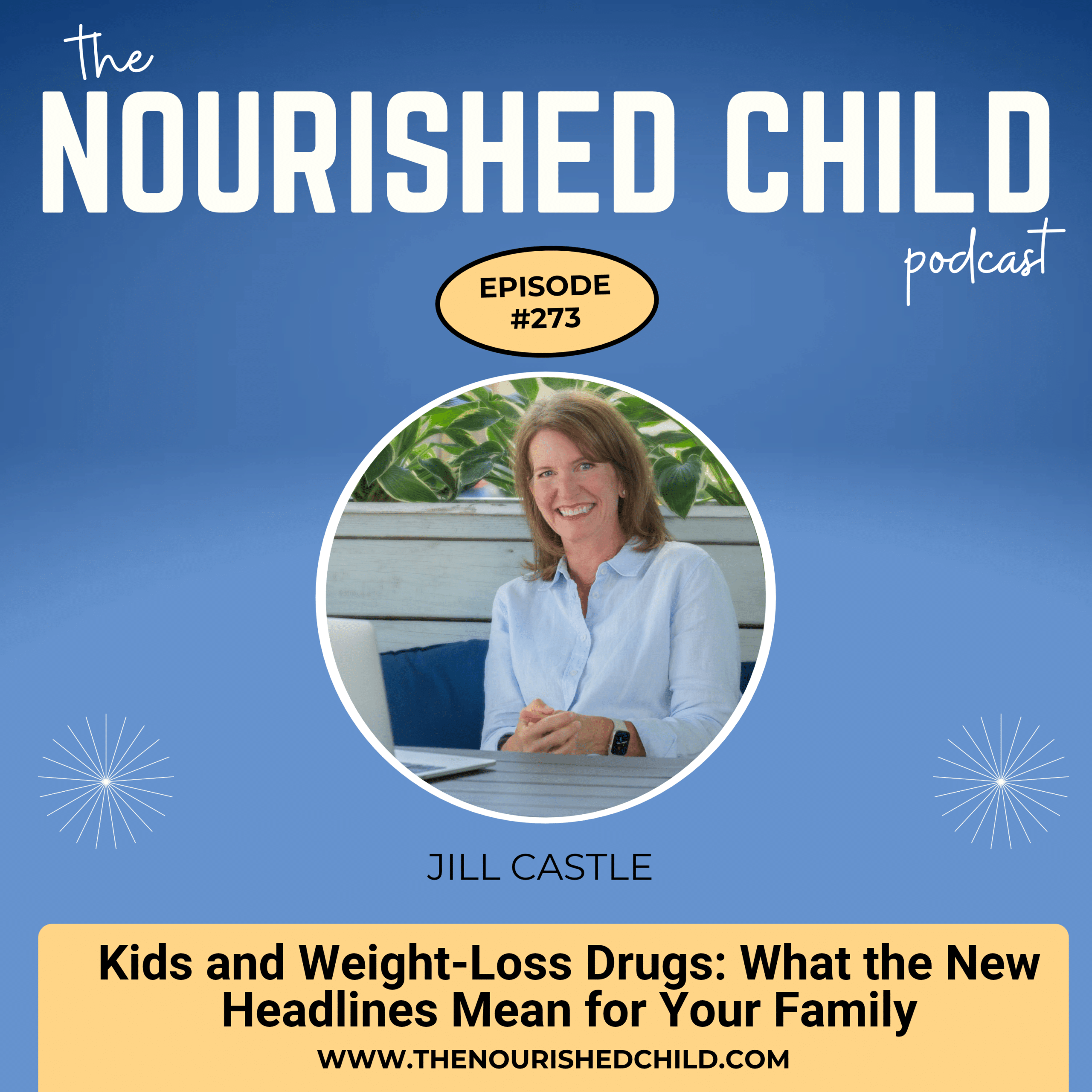
In this episode, I’m walking parents through the latest headlines about GLP-1 medications in children. We cover the new prescription data, early trial results in younger kids, where the AAP and the World Health Organization stand, the nutrition risks for growing bodies, and the questions to ask if medication comes up with your child’s doctor. This episode is for education. Decisions about any medication belong with your child’s medical team.
What the New Research Says About GLP-1 for Kids
First, the prescription numbers. A September study in Pediatrics looked at more than 3.5 million children ages 8 to 11 with obesity but without diabetes. GLP-1 prescriptions rose about 310-fold since 2019, yet only about 0.6% of these children received one. Use is rising fast, but it’s still uncommon. Prescriptions were also more likely to go to children in communities with more resources, so access is uneven.
Then there’s the STEP Young trial, which tested Wegovy in children ages 6 to under 12. After about 16 months, around 40% of the children on the medication moved below the obesity range, compared with none on placebo. These are early results from the drug’s maker, not yet peer reviewed, and they assume every child stayed on the medication. Wegovy also isn’t approved for children under 12, so prescribing it to younger kids is off-label.
The guidelines differ, too. The American Academy of Pediatrics recommends offering medication to teens 12 and older with obesity, alongside intensive lifestyle support. I reported on these guidelines earlier. This month, the World Health Organization advised against these medications for children under 10. For kids 10 and older, it says medication can be considered only after a supervised program focused on eating, activity, and behavior hasn’t worked.
I don’t see that as a contradiction. I see a science that is still developing. These medications work for many teens, but we don’t have long-term data on growth, bones, puberty, or the developing brain, and weight often returns when the medication stops. That’s why I believe this decision belongs with each family and their medical team.
What Medication Can’t Do for a Growing Child
GLP-1 medications turn down appetite. But children are still building bone, muscle, and brain tissue, and a smaller appetite leaves less room to get what a growing body needs. A study from Lurie Children’s Hospital found that about 17% of 10- to 17-year-olds on a GLP-1 were diagnosed with a nutrient deficiency or related problem within a year, most often vitamin D deficiency. Only 5% got nutrition counseling in the first month.
When a child eats less, every bite of food has more work to do. Protein, iron, calcium, and vitamin D matter most, and ideally a registered dietitian is involved before the first dose.
Medication also can’t teach a child how to eat. It doesn’t build family meals or help a child tune into hunger and fullness. If a child stops the medication, as many do because of cost, side effects, or insurance, those skills are what they’ll rely on.
I also want parents to know about the overlap with eating disorders. A study published this summer found that about a third of adults with eating disorders had used these medications, and about one in ten had misused them. If you’re worried, watch for skipped meals, secrecy around food, or a growing focus on weight or body shape, and talk with your pediatrician.
With or without medication, every child needs the same foundation: a positive family culture, feeding, eating, food, sleep, movement, screens, and self-love. If medication comes up with your child’s doctor, ask about baseline blood work, eating disorder screening, access to a pediatric dietitian, and the plan if your child stops. And keep conversations about weight between the adults. Your child needs to know you’re on their side.
In This Episode, We Cover:
- How fast GLP-1 prescriptions are rising in children
- Why access to these medications is uneven
- Early STEP Young trial results in children ages 6 to under 12
- Where the AAP and the World Health Organization stand on GLP-1 for kids
- The debate among experts about medication in children
- Why children on GLP-1s are at risk for nutrient deficiencies
- The nutrients that matter most for growing kids on these medications
- What medication can’t teach a child about eating
- GLP-1 misuse, eating disorders, and the warning signs to watch for
- Questions to ask if medication comes up with your child’s doctor
And if you want to go deeper, be sure to listen to the full episode:
Resources & Links
- Kids Thrive at Every Size (book)
- Pediatrics: Trends in GLP-1 Prescriptions for Children Ages 8 to 11 With Obesity
- WHO: First Global Guidelines on Child and Adolescent Obesity
- Lurie Children’s: Nutritional Deficiencies in Children Taking GLP-1s
- JAMA Psychiatry: Use and Misuse of GLP-1 Medications Among People With Eating Disorders
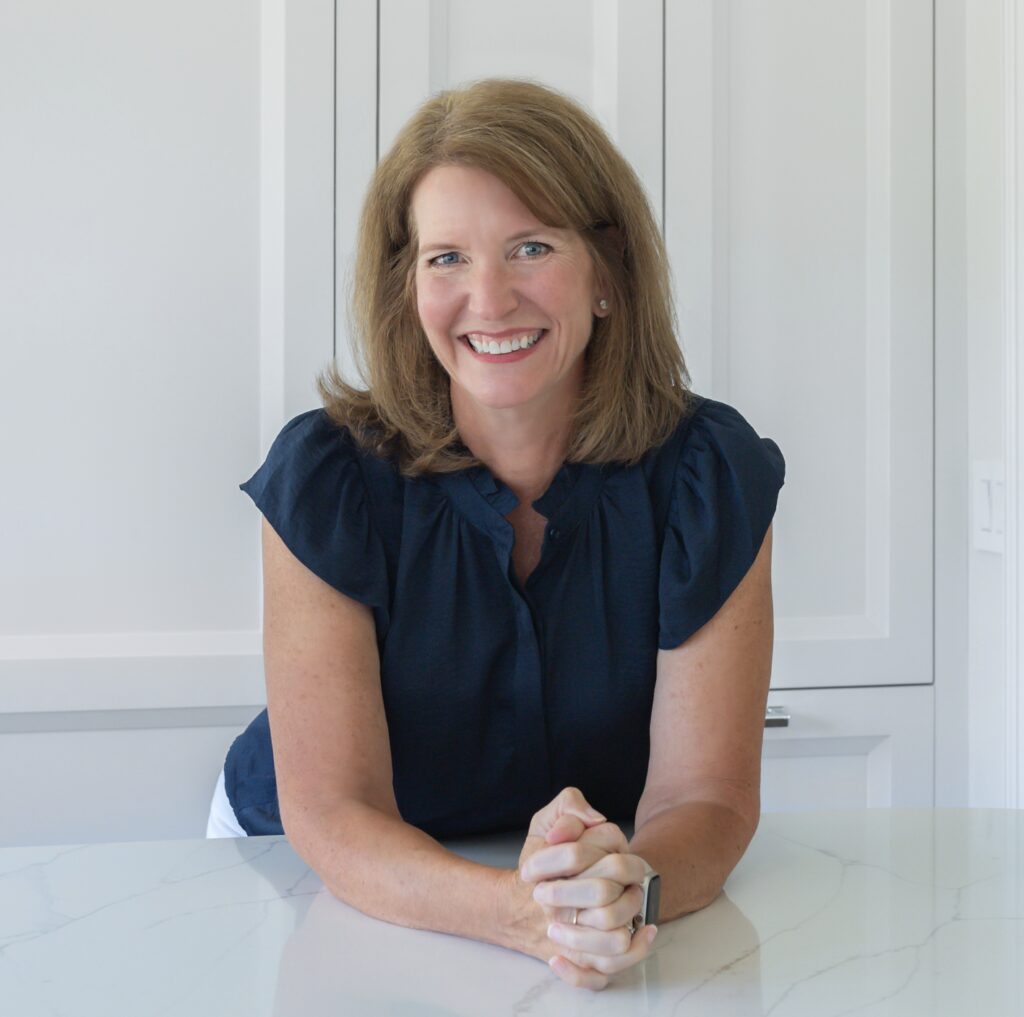
Jill Castle, MS, RDN
Jill Castle, MS, RDN is a pediatric dietitian with over 35 years of experience and the mother of four grown children. She helps families raise healthy eaters and healthy kids at every size, with nutrition, parenting and lifestyle behaviors.
Jill Castle, MS, RDN
Jill Castle, MS, RDN is a pediatric dietitian with over 35 years of experience and the mother of four grown children. She helps families raise healthy eaters and healthy kids at every size, with nutrition, parenting and lifestyle behaviors.