How to Reduce the Risk of Food Allergies in Babies
September 16, 2026
Want to lower the risk of food allergies in your baby? Learn expert-backed strategies from Malina Malkani, including early introduction of allergens, feeding flexibility, and practical tips for parents.
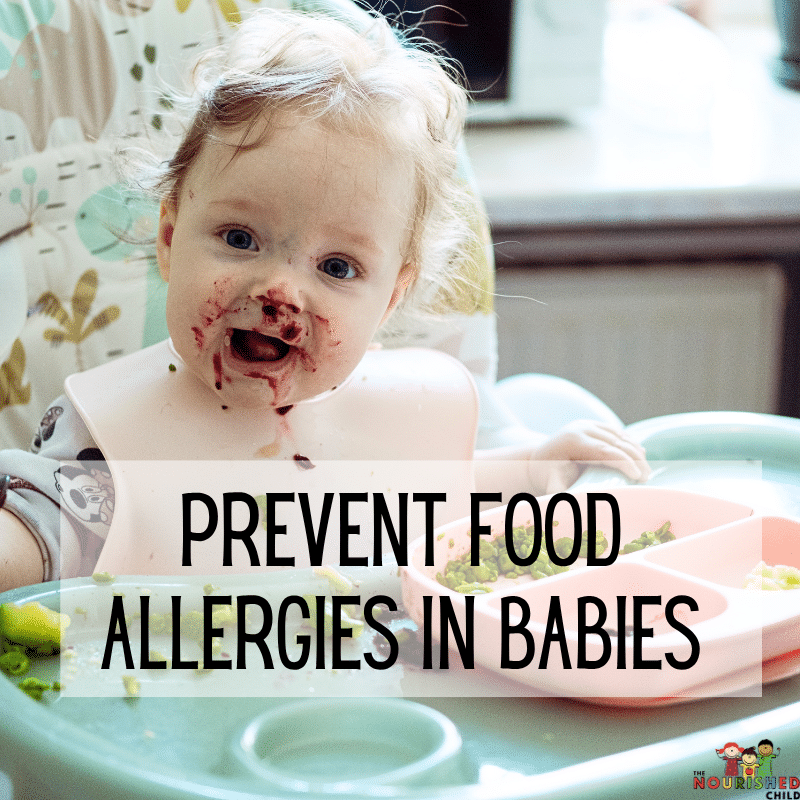
Food allergies are a big concern for many parents. If you’re wondering whether you can do anything to prevent them, the good news is—yes, you can! Pediatric dietitian and best-selling author Malina Malkani shares expert insights on early allergen introduction and why it matters. Let’s break it down into practical, easy-to-follow steps.
Early Allergen Introduction: Why It’s Important
Studies show that introducing common allergens early—between four and six months—may significantly reduce the risk of developing food allergies, particularly for high-risk babies. The key allergens to focus on include:
Waiting too long can actually increase the likelihood of allergies, so starting early is a proactive approach.
How to Introduce Allergens Safely
Look for Readiness Signs: Your baby should be able to sit up with minimal support, show interest in food, and have good head control before introducing solids.
Start with Small Amounts:
- Offer a tiny serving of one allergen at a time.
- Monitor for mild reactions like hives or digestive upset.
- Wait about three days before introducing another allergen if you prefer a cautious approach.
Make Textures Manageable:
- Avoid giving whole nuts or thick globs of peanut butter, which can be a choking hazard.
- Mix peanut butter with water or breast milk to thin it out.
- Scramble or mash eggs for an easier texture.
Consistency Matters: Keep Allergens in the Diet
It’s not just about introducing allergens once—you need to keep them in your baby’s diet regularly. Research suggests that exposure multiple times a week helps maintain tolerance.
A simple routine might look like:
- Peanut butter mixed in oatmeal twice a week
- Scrambled eggs for breakfast a couple of times per week
- Yogurt as a snack
The goal is to make allergens a normal part of their diet.
Feeding Methods: Spoon-Feeding vs. Baby-Led Weaning
Malina emphasizes that there’s no one-size-fits-all approach. Whether you use spoon-feeding, baby-led weaning, or a mix of both, what matters most is making sure your baby has positive food experiences.
- Baby-led feeding allows babies to explore food on their own, building independence.
- Spoon-feeding can be helpful for parents who want to ensure certain nutrients are consumed.
- A combination of both can provide flexibility and ease.
The best feeding method is the one that works for you and your baby.
When to Seek Professional Help
If your baby shows severe reactions like difficulty breathing, swelling, or vomiting, seek medical help immediately. If you have concerns about allergies, consult a pediatrician or an allergist before introducing new foods.
Final Thoughts
Early allergen introduction is a proactive step in reducing food allergy risks. By starting small, staying consistent, and choosing a feeding approach that works for your family, you’re giving your baby a strong foundation for a healthy relationship with food.
Resources
- For more tips on feeding your baby, check out my book, The Smart Mom’s Guide to Starting Solids, available wherever books are sold.
- Download my free Feeding Skills by Age One Guide
- Listen to the Podcast episode here.


Jill Castle, MS, RD
Jill Castle, MS, RDN is a pediatric dietitian with over 35 years of experience and the mother of four grown children. She helps families raise healthy eaters and healthy kids at every size, with nutrition, parenting and lifestyle behaviors.