Frozen Food Myths Every Parent Believes (And Why They’re Wrong)
September 9, 2026
Fresh is better than frozen. Frozen meals aren’t as healthy as homemade. Convenience means compromising on nutrition.
These are common assumptions, but they don’t tell the whole story about what’s happening in the frozen food aisle.
In this episode, I sit down with Jennie Norka, Senior Director of Scientific and Regulatory Affairs at the American Frozen Food Institute, to talk about how freezing affects nutrition, what goes into frozen foods, and how parents can use them to make feeding a family easier.
As a pediatric dietitian and a mom of four, I relied on frozen foods during plenty of busy seasons. This conversation is a good reminder that convenience and good nutrition don’t have to be opposites.

Frozen fruits and vegetables can be just as nutritious as fresh. Because they’re frozen quickly after harvest, nutrients are preserved, and modern freezing methods help maintain texture and quality too.
Frozen food also isn’t automatically loaded with preservatives or less healthy than homemade food. In fact, an American Frozen Food Institute analysis found several popular frozen meals were nutritionally comparable to homemade versions, with some containing less sodium, saturated fat and fewer calories per serving.
Most importantly, frozen foods can make feeding your family easier. Frozen fruit, vegetables, proteins and prepared meals can be mixed with fresh and pantry staples to build quick meals, while also helping reduce food waste, save money and take some of the pressure out of getting dinner on the table.
In This Episode, We Cover:
- Why frozen fruits and vegetables can be just as nutritious as fresh
- What rapid freezing does to nutrients, texture and quality
- Whether frozen foods really contain more preservatives
- How frozen meals compare nutritionally with homemade versions
- What to look for on the Nutrition Facts panel and ingredient list
- Easy ways to combine frozen, fresh and pantry foods in family meals
- Important food-safety tips for frozen vegetables and seafood
- How frozen food can help reduce food waste and grocery costs
- Jennie and Jill’s favorite frozen foods to keep on hand
Listen to the full episode:
Resources & Links
- The Frozen Advantage: frozenadvantage.org
- American Frozen Food Institute: affi.org
- ReFED U.S. Food Waste Report: 2026 ReFED U.S. Food Waste Report
- The Nourished Child Blueprint: The Nourished Child Blueprint
- The Munch newsletter: The Munch
- Book: Kids Thrive at Every Size by Jill Castle
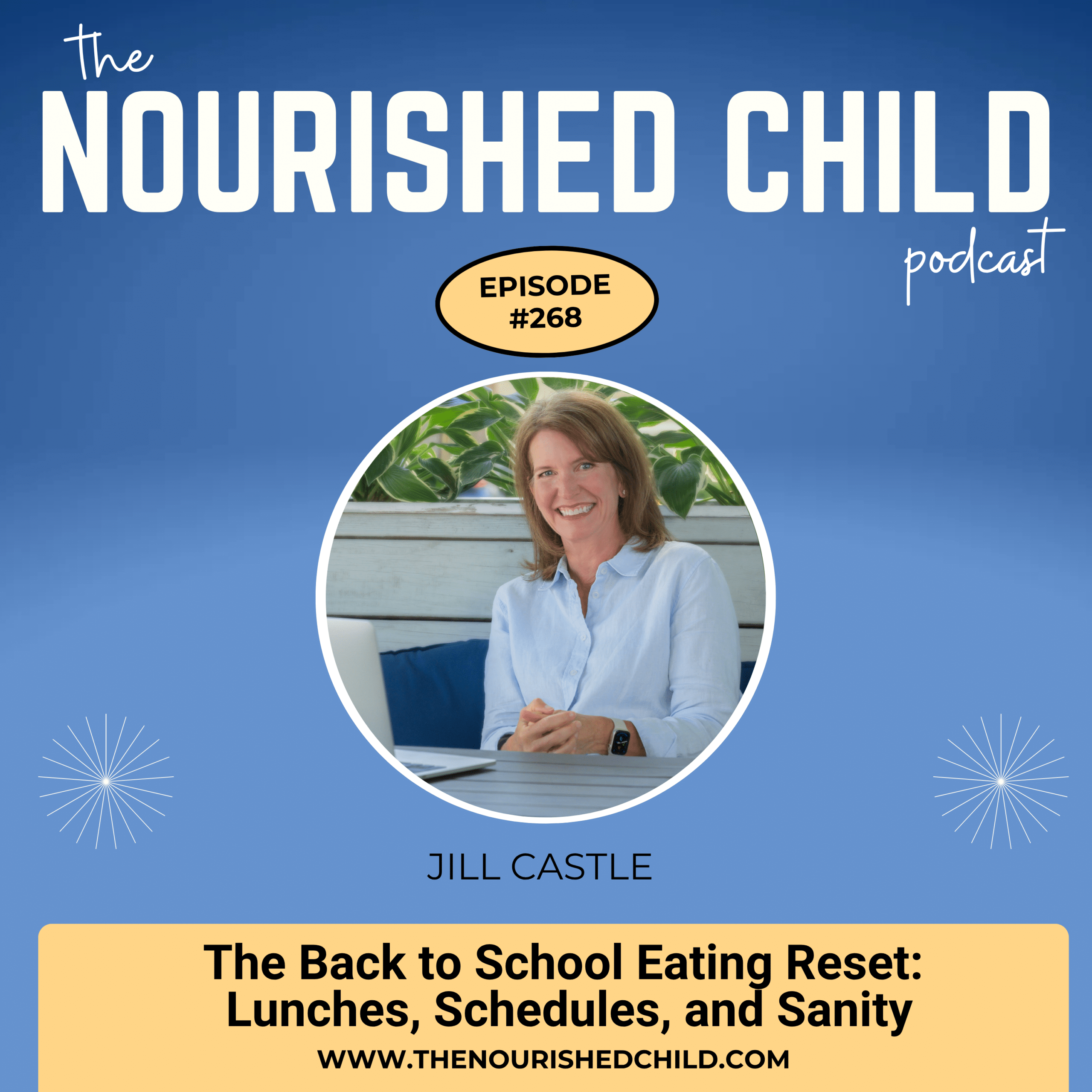

Jill Castle, MS, RD
Jill Castle, MS, RDN is a pediatric dietitian with over 35 years of experience and the mother of four grown children. She helps families raise healthy eaters and healthy kids at every size, with nutrition, parenting and lifestyle behaviors.