
Why Some Kids Are Always Hungry (and Others Barely Notice Food)
February 23, 2024
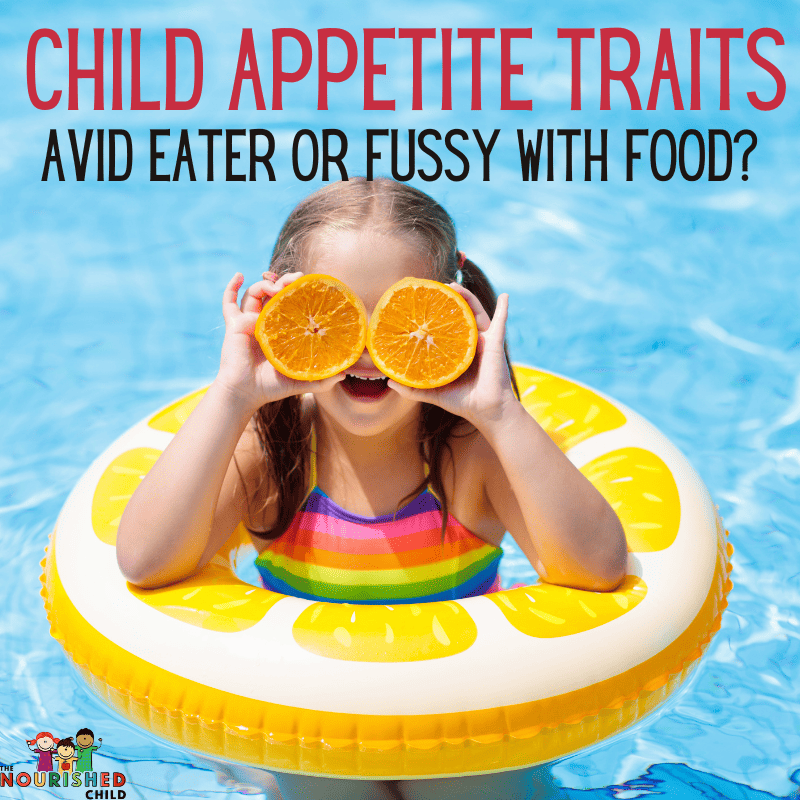
Why do some children always seem interested in food, while others could take it or leave it? Why are some kids fussier, and others less discerning about what or how much they eat?
Part of the answer is genetic: children inherit appetite traits that are hard-wired from birth, and they shape how a child approaches food for years to come.
The Eight Appetite Traits
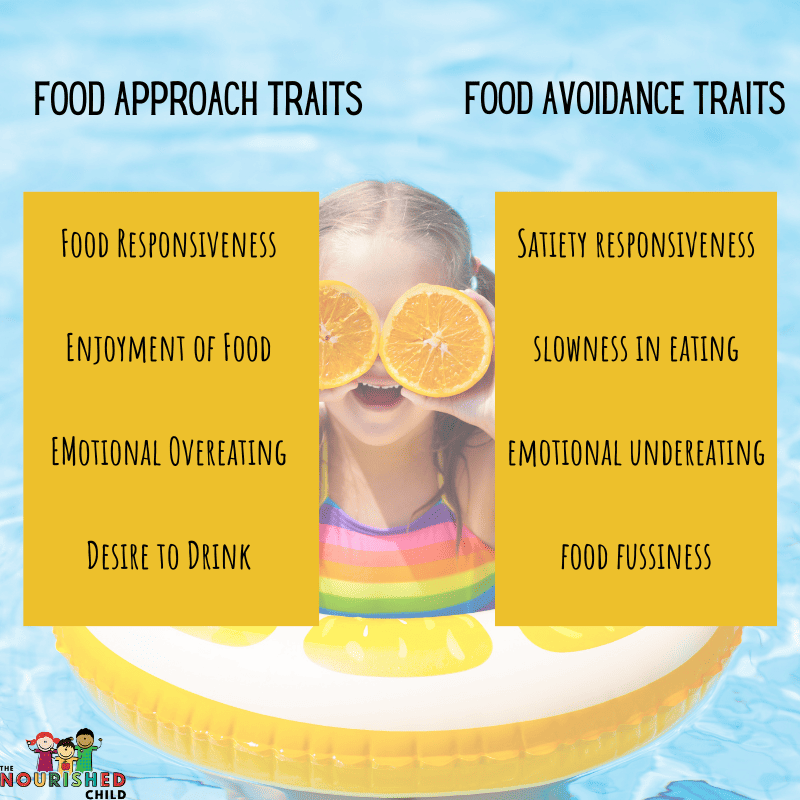
Researchers group appetite traits into two categories: food approach and food avoidance.
Food Approach Traits
- Food responsiveness, wanting to eat when prompted by tasty food, even when full.
- Enjoyment of food, the pleasure experienced while eating.
- Emotional overeating, eating more in response to difficult emotions.
- Desire to drink, wanting and consuming beverages, especially sweetened ones.
Food Avoidance Traits
- Satiety responsiveness, getting full before the meal is finished.
- Slowness in eating, taking longer than 30 minutes to finish a meal.
- Emotional undereating, losing your appetite when upset.
- Food fussiness, being highly selective about textures, tastes, or unfamiliar foods.
What the Research Shows
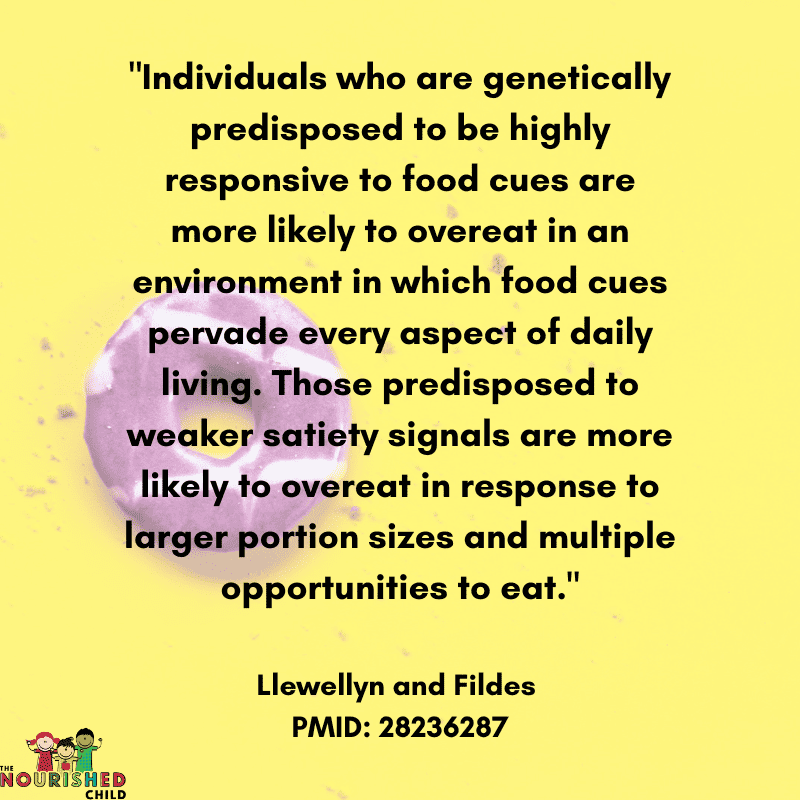
In a landmark twin study of 2,400 children, researchers found a strong genetic component to slowness in eating and satiety responsiveness, and a moderate one for food responsiveness and enjoyment of food.
Kids high in food responsiveness and enjoyment tended toward a more avid appetite, while those high in slowness and satiety responsiveness showed better natural appetite control.
Even siblings raised in the very same home can land in very different places.
Why Knowing Your Child’s Traits Helps
Your child’s appetite traits are hard-wired, but that doesn’t mean nothing can be done.
Understanding whether your child leans toward overeating, under-eating, or somewhere in between gives you real clues about how to support them, without blaming your parenting or your child’s willpower for something that’s largely biological.
Traits Explain the Why. Here’s the How.
Understanding your child’s appetite traits reframes a lot of mealtime frustration. It’s not a discipline problem, and it’s not something you caused.
The next question parents usually ask is, “Okay, so now what do I actually do differently at home?”
The Nourished Child Blueprint is my full Nutrition 101 course for parents of kids ages 4 to 14.
It’s not a meal plan, it’s a system you return to as your child grows, covering four areas: the Food System (balance, portions, sweets, and treats), the Feeding Strategy (trust, structure, and self-regulation), Child Development (how eating changes at every age and stage), and Triage and Troubleshoot (how to solve challenges on your own).
Inside, you get 25 video and audio lessons, more than 30 printable cheat sheets and guides, and lifetime access, so you can learn on your schedule and come back whenever a new challenge shows up.
Get Instant Access to the Blueprint, $147 →
Frequently Asked Questions
Can appetite traits change over time?
They tend to be fairly stable from early childhood on, but how they show up can shift with age, environment, and the feeding approach you use at home.
Is a food-fussy child destined to struggle with weight?
Not necessarily. Some research actually links food fussiness to a protective effect against excess weight gain. Every trait comes with its own trade-offs.
My kids were raised the same way but eat totally differently. Why?
This is one of the clearest signs appetite traits are at work. Siblings raised in the same home, with the same rules, often land in very different places because of inherited differences in food responsiveness and satiety.

Jill Castle, MS, RD
Jill Castle, MS, RDN is a pediatric dietitian with over 35 years of experience and the mother of four grown children. She helps families raise healthy eaters and healthy kids at every size, with nutrition, parenting and lifestyle behaviors.


Jill Castle, MS, RD
Jill Castle, MS, RDN is a pediatric dietitian with over 35 years of experience and the mother of four grown children. She helps families raise healthy eaters and healthy kids at every size, with nutrition, parenting and lifestyle behaviors.