Worried Your Child’s Weight is Going Up? Avoid These 5 Parenting Mistakes
March 9, 2026
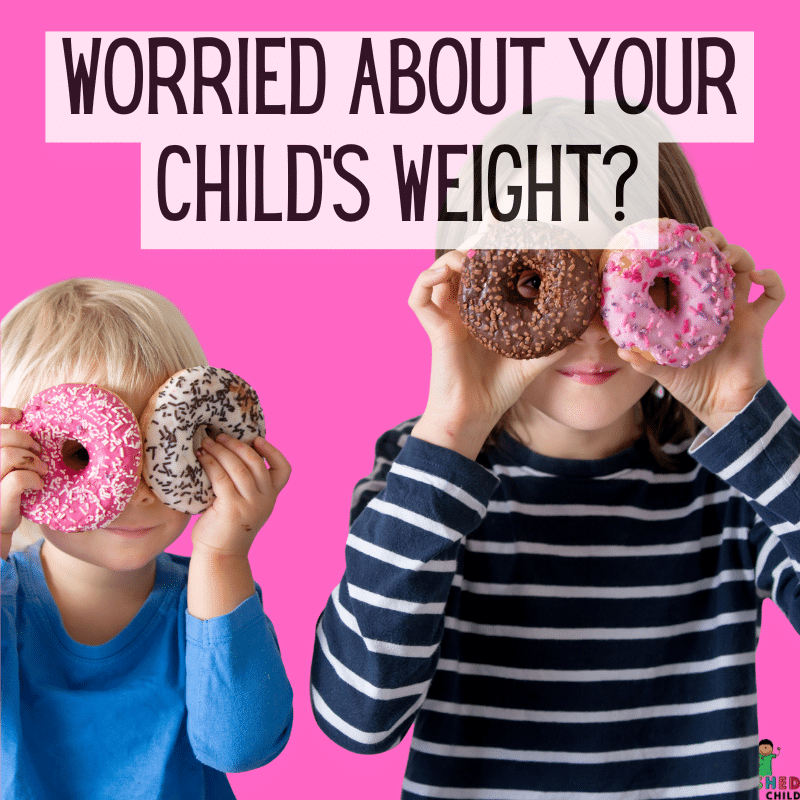
Many families are worried about their child’s weight. Maybe you’ve noticed it creeping up. Maybe your doctor mentioned it at the last appointment. Maybe eating behaviors at home have started to feel concerning.
If that’s you, I want you to know two things. First, you are not alone. Many parents worry about what this might mean for their child’s health in the future.
Second, you can help your child without damaging their self-esteem or their relationship with food. It just takes a different approach than most of us grew up with and what mainstream media might be telling you.
In more than three decades as a pediatric dietitian, and as a mom of four grown kids, I’ve seen these well-meaning mistakes over and over.
The good news is that they’re common. And they’re fixable.
Here are five of the most common mistakes parents make when they’re worried about their child’s weight, and what to do instead.
Mistake #1: Focusing on a Child’s Weight Instead of Their Health
Our culture sends a loud message: thin equals healthy. Kids hear it everywhere, at school, on social media, in ads, from peers, even in conversations at home. When parents focus on how much their child weighs, children can start to believe their body is a problem.
What to do instead: Shift the focus from weight to how the body feels and functions.
Try saying things like, “Which foods help you feel energized?” or “What helps your body feel strong?” This reframes health as something internal and functional, not something based on their appearance.
Mistake #2: Restricting or Controlling Food Too Tightly
Many parents assume that cutting out sweets or “junk food” will automatically make their child healthier. But strict food rules often backfire.
When foods are banned, eliminated or forbidden, kids can become more preoccupied with them, which can lead to sneaking, overeating, or feeling out of control around those foods.
What to do instead: Use a predictable structure for meals and snacks.
Your job as the parent is to decide what foods are served, when meals and snacks happen, and where eating takes place. Your child’s job is to decide whether they eat what you’ve prepared, and how much.
This is called the Division of Responsibility in feeding, and it helps children trust their appetite and self-regulate their eating.
Mistake #3: Forcing Exercise
Movement is important for kids, but when exercise is over-emphasized, an obligation, or used as a punishment, it creates negative associations that may follow children into adulthood.
What to do instead: Focus on joyful movement.
Try dancing, swimming, biking, sports, or walking the dog as a family. The goal is to create enjoyable movement and lifelong activity, not a means for calorie burning or weight loss.
Related Video
Mistake #4: Ignoring Emotional Eating
Kids may eat when they feel sad, bored, lonely, stressed, or ashamed. If you find hidden wrappers or notice your child sneaking food, the issue often isn’t the food itself. It’s the emotion underneath it.
When children use food for comfort, it isn’t necessarily a problem, but if it becomes habitual, it may cause health problems in the future.
What to do instead: Approach your child with curiosity and compassion.
Ask, “How are you feeling today?” or “What’s going on?” Helping kids name and process emotions builds resilience and keeps food from becoming their only coping tool.
Mistake #5: Letting Outside Voices Define Your Child’s Health
Relatives, coaches, teachers, and social media all send messages about kids and their weight. But body size alone does not define health.
What to do instead: Stay grounded in what actually supports your child, like consistent meals and snacks, balanced nutrition, adequate sleep, daily movement, emotional support, and a family culture that welcomes every body.
The Bottom Line
If you’re worried about your child’s weight, you don’t need to put them on a diet. What truly helps is healthy habits, emotional safety, and a positive relationship with food.
Small shifts in how you talk about food, bodies, and health can make a powerful difference.
When You’re Ready for More Than a Blog Post
Reading about these five mistakes is a great first step. But knowing what not to do is different from knowing exactly what to do for your child, this week, at your table.
This is exactly the work I do with families in my private nutrition practice. Together, we look at your child’s growth pattern, eating habits, and home environment, and build a plan around the eight areas that actually move the needle: sleep, food, feeding, eating, movement, screens, self-love, and family culture.
No diets. No rules that backfire. Just the right habits, in the right order, for your child.
What It Looks Like to Work Together
Step 1: A deep dive intake. We review your child’s growth pattern, eating habits, lifestyle, medical history, and family environment together.
Step 2: A personalized plan. We coordinate a clear, realistic plan built around your child and your family, not a generic list of rules. We implement the plan over 12 weeks.
Step 3: Ongoing coaching and support. Regular weekly sessions and tailored adjustments to promote key habits as your child grows and changes. You are not left to figure this out alone.
“Jill helped us not only put structure in place, but shift how I think as a parent. I feel more informed and empowered.”
— Stephanie S., mom of two
Frequently Asked Questions
It’s generally more helpful to focus on health habits rather than body weight. Positive conversations about energy, strength, sleep, food variety, and activity tend to support healthier behaviors without harming body image. Read: How to Talk to Your Child about Weight
Sneaking food is often a sign of emotional distress, food restriction, or lack of structure around meals. Approach the situation calmly and explore what may be driving the behavior rather than punishing your child.
If your child shows signs of distress around food, extreme restriction, concerning eating behaviors, rapid weight changes, or emotional struggles related to eating or their body, consider consulting a pediatric dietitian or mental health professional experienced in child feeding and eating behaviors.
Jill Castle, MS, RD
Jill Castle, MS, RDN is a pediatric dietitian with over 35 years of experience and the mother of four grown children. She helps families raise healthy eaters and healthy kids at every size, with nutrition, parenting and lifestyle behaviors.

Jill Castle, MS, RD
Jill Castle, MS, RDN is a pediatric dietitian with over 35 years of experience and the mother of four grown children. She helps families raise healthy eaters and healthy kids at every size, with nutrition, parenting and lifestyle behaviors.